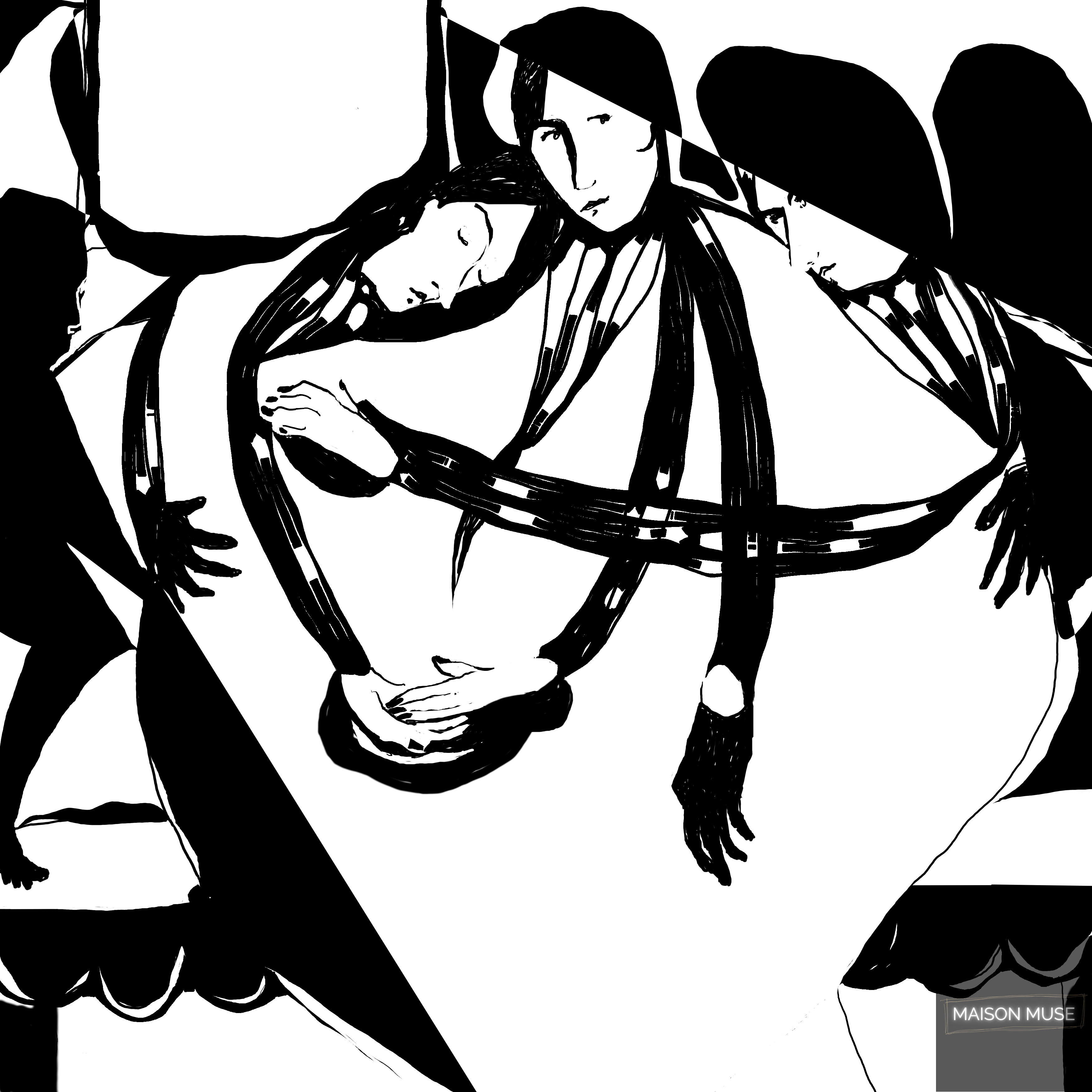
Outrage is easy. Understanding takes work.
This reflection began while watching a recent public controversy play out in real time.

I understand outrage. I feel it too. I’m not one of those porcelain people who float above human reactions while sipping moral chamomile. I can get angry. I can get furious. I can watch something unfold and think, this is just not okay.
Lately, I’ve been watching a public situation unfold that has people split into camps, each convinced they see the truth. The comment sections are full of certainty, diagnoses, and verdicts. Hammers of absolutes are swinging everywhere. And I get it. When something feels obvious to us, it’s almost painful to watch others not see it. The urge to shake them “awake” is strong.
But public outrage is a strange creature. It often looks like justice, sounds like courage, and feels like clarity. Yet most of the time it’s something else entirely:
a theater, a declaration, people’s way of saying I’m on the right side, I am the good guy. Not necessarily a way of understanding anything.
What’s happening underneath people’s reactions is often more revealing than the reactions themselves.
When people defend someone despite questionable behavior, it doesn’t always mean they’re blind or foolish. Often, it means their mind is protecting something, their own judgment. Their past trust and their emotional, sometimes financial, investment. Psychologists call that cognitive dissonance and sunk-cost fallacy. The brain hates being wrong almost as much as it hates losing. When we add the time, admiration, money, and loyalty we already invested, defending a narrative feels safer than revising it. Because after all, what would admitting mistakes say about ourselves? We are simply wired this way.
Judgment itself isn’t the problem. We judge constantly. We have to. Judgment is how humans assess safety, trust, and risk. The real question isn’t whether we judge, but what we do next. Judgment can stay internal, thoughtful, and provisional. It doesn’t have to become a public verdict. Recognizing that difference changes everything.
And once you see that mechanism, the whole scene changes. It stops being a morality play and becomes a psychology lesson.
That’s the uncomfortable part: moments like these don’t just reveal something about the person in question. They reveal something about us. About what we believed, what we invested, and what we trusted. And sometimes defending a narrative is less about protecting it than about protecting our own sense of being right.
That’s why rushing to publicly shame someone rarely clarifies anything, even when we strongly disagree or think we see a pattern.
Humiliation is not the same thing as accountability.
Accountability invites reflection and clarity. Humiliation only escalates and opens the door to more defenses. Most of us wouldn’t want to be reduced to our worst moment or judged by strangers who don’t know our full story. Remembering that changes how we speak about others.
It’s an old rule, almost embarrassingly simple: don’t treat others the way you wouldn’t want to be treated. Strange how that principle survived centuries while entire empires of outrage fell apart overnight.
Opinions aren’t the problem. We all have them. The question is what we do with them. Not every impulse needs a stage. Not every reaction needs an audience. Some thoughts sharpen in conversation. Others mature in private. And sometimes restraint says more than certainty ever could.
There’s a subtle power in refusing to broadcast certainty. In choosing precision over volume. In holding the position: “This is what I see, and I’m still open to seeing more.”
Outrage is fast. Discernment is slow. Outrage is loud. Discernment is steady. Outrage gathers crowds. Discernment gathers clarity.
I know which one I trust.
Because if more people chose strong feelings and precise words instead of strong feelings and loud declarations, the internet would be about 70% less unbearable.
And frankly, we’d all sleep better.
Christine 🥂🍾